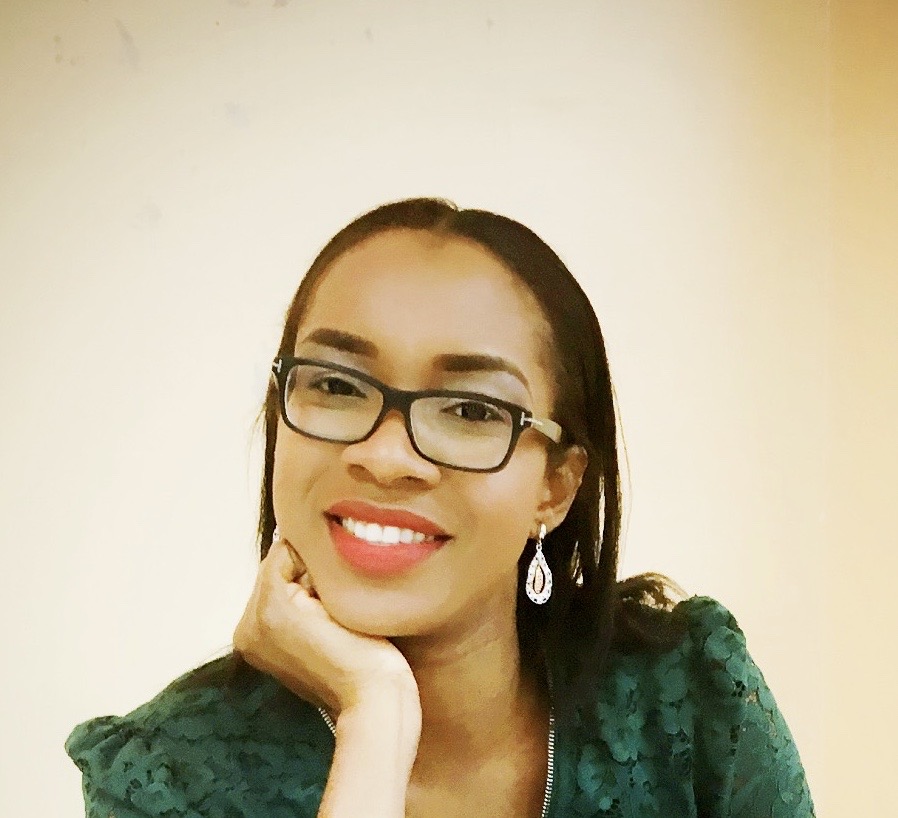

Jane Lowers is in her final year of a PhD in Palliative Care
Tell us a bit about yourself and your background?
I spent most of my career as a medical journalist, writing for magazines or developing online education for doctors and nurses. Personally, I’ve had an interest in what care people want and what they get at the end of life. My grandparents were fortunate to be cared for at home through their deaths, which is what they wanted. But that doesn’t always happen and I’ve always wanted to work on improving end of life.
What was your level of academic qualification prior to coming to Lancaster and where did you study?
As an undergraduate at Northwestern University I studied journalism and anthropology. Before coming to Lancaster I earned a Master’s in Public Administration with a focus on health policy from Baruch College in New York City.
What made you want to pursue your PhD?
As a journalist, I spent years taking researchers’ ideas and trying to make them more easily understood. But eventually I decided I wanted to make contributions of my own.
Was the nature of the course (part-time, distance learning) a factor when choosing Lancaster?
Absolutely. When I decided to pursue a PhD, I was in the middle of my career and had personal obligations that would make it impossible to drop everything and enter a traditional, full-time PhD programme, which is mostly what you have to do in the States. The Lancaster programme is specifically intended for mid-career professionals who are working, and that made it feasible.
What does a typical day look like with work and supervision?
For most of my time at Lancaster, I worked a 9-5, five days a week at a research NGO. Most nights I would do coursework or work on my thesis research for 2-3 hours in the evening, plus another 5-6 hours on weekends. I think most of us can count on an extra 15 hours a week, at least, of study. I check in with my supervisors once a month by Skype, but as I was writing my thesis I would send them chapter drafts whenever they were ready. My supervisors have been wonderfully responsive and supportive.
How easy/hard is combining your studies/research with your job?
Unlike most people in the programme, I’m not a clinician, so there isn’t much overlap with my day job. It takes a tremendous amount of discipline to fit school in to the rest of life for 40 weeks straight through the taught portion. And then once you start the thesis, there’s no break at all. I stopped for a couple weeks a few times when I started burning out and being less productive. And in the last six months of writing my thesis, I was able to drop to working four days per week, which gave me an extra day to focus on writing.
The programme is structured so that the first two years are taught before you move onto the research phase of your PhD. How have you enjoyed the different stages?
American postgraduate programmes have several years of full-time coursework in the discipline, whereas I think traditional British PhDs are far more self-directed. The blended programme is in the middle. I enjoyed getting an overview of philosophy, theory, and methodology, and it’s all very focused on building skills you will need to do your thesis. A strength of the programme is it can support a wide array of research approaches – you could study palliative care issues from the perspective of epidemiology, economics, or social science. But the coursework will only take you so far and you’ll need to build the skills on your own.
I really enjoyed the research phase – the chance to study a topic of interest, to design a study that I thought would best answer the research question, and just to do science. But it’s also true that the research phase can be very isolating without the frequent interaction with classmates and faculty, plus the sheer number of hours you have to spend to make progress.
What advice would you give to someone thinking about taking this on?
Get to know your cohort. We have an unusually close cohort of palliative students. We stay in touch about school and work and life on What’s App, and it’s so helpful to have other people who understand what the process is like, all cheering each other on. Getting together at Autumn Academy with them is a highlight.
Personally, be prepared for life to shift while you’re in the programme. Nearly everyone has had some major life changes – new job, divorce, a death in the family – that can make school overwhelming. Many people in the programme have intercalated for a few months because of other life demands, and now more are doing it because they’re needed in the pandemic.
Be honest with yourself about what you hope to get out of the programme. It’s a lot of time away from friends and family and probably the hardest work you will ever do. You need to really want it.
Finally, what do you hope to get from having the qualification
Getting this PhD is the final step in a long pivot from journalist to researcher. The programme has taught me to think like a scientist. Being a postgrad student and doing research in the field has opened doors I wouldn’t have predicted. As I’m getting ready for my viva, I’m starting to work with other researchers here in the States and hoping to put together a postdoctoral fellowship so I can keep learning on the job.