
CareersConnect
Our CareersConnect platform hosts a wide range of job opportunities, including part-time jobs.
CareersConnect vacancies are managed by the employers themselves, so you will be making your application directly to them.
CareersConnect

Whilst we're in a difficult environment for job hunting at the moment, there are lots of ways we can support you to find a part-time job alongside your studies.

The Employment & Recruitment Service is the University's own recruitment team. We offer a variety of jobs, many of which are either based on campus or can be worked from home. All our engagements are flexible, allowing you to prioritise your academic work when you need to, and to work more hours when you can.
Our roles include internships with local businesses through the UNITEplus programme, where you help the business to grow by matching their needs with your skills.
Check our current vacancies
Our CareersConnect platform hosts a wide range of job opportunities, including part-time jobs.
CareersConnect vacancies are managed by the employers themselves, so you will be making your application directly to them.
CareersConnect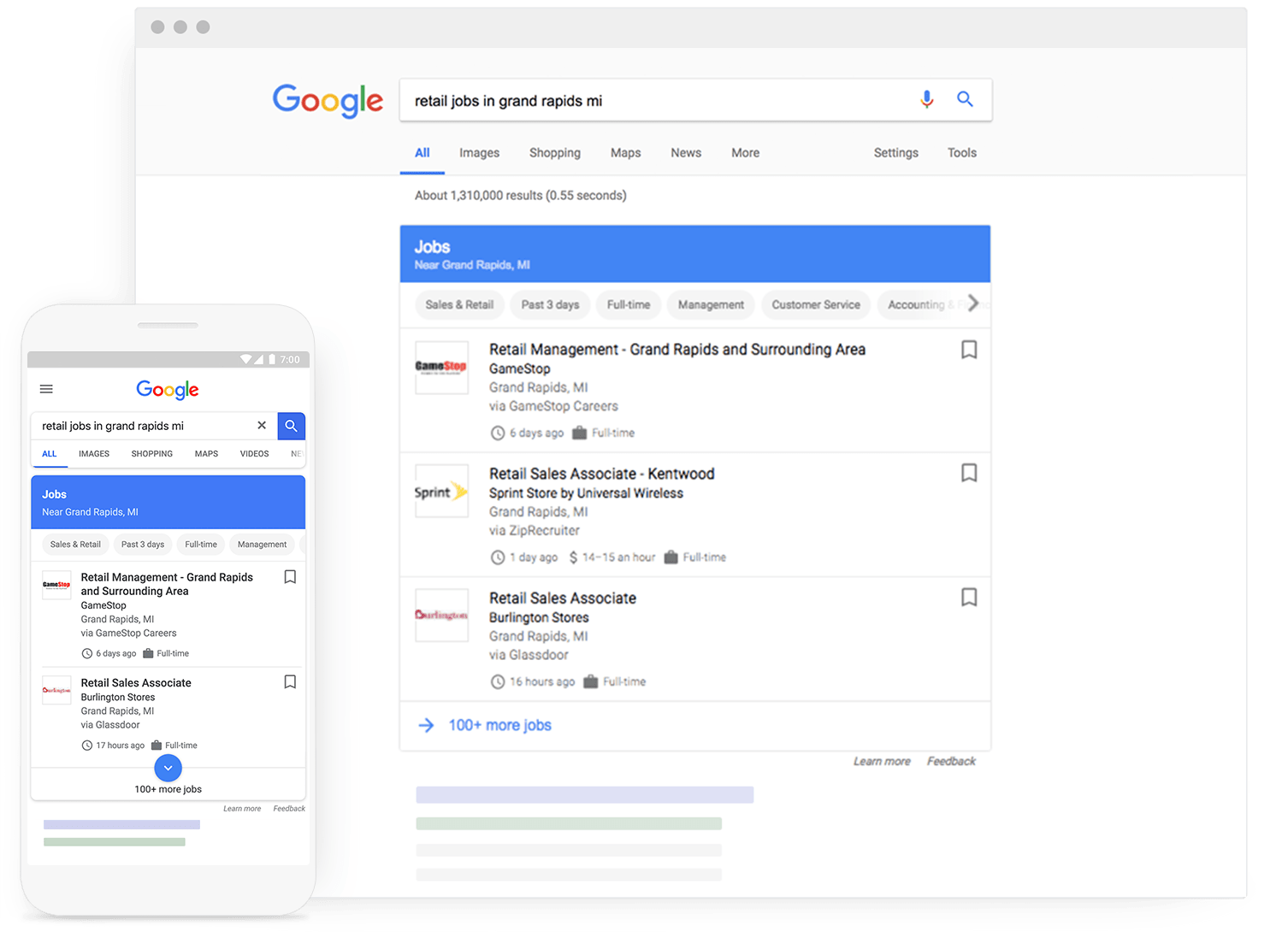
Google For Jobs aggregates job vacancies from across the web and allows you to search based on your choice of different criteria.
You can set up job alerts for specific types or locations of work based on your preferences, so it can make it much easier to find that ideal part-time job.
Just search "Jobs in my area" or "Lancaster jobs" for example, then click the blue heading to explore the options.

Social media have become a popular way to advertise and find jobs.
Facebook has lots of local jobs boards where you can find a variety of vacancies.
LinkedIn also has a jobs section which you can search for local, national and international opportunities. The Careers services runs skills workshops at beginner and advanced levels to help you develop and leverage your LinkedIn profile, which you can find through CareersConnect.
Browse Careers Events on CareersConnect
If you have a specific employer in mind that you would like to work for then you can use a targeted approach to job applications. Speculative applications can be effective when done well, but a CV and cover letter must be brief and tailored effectively to be successful with this approach.
You can check shop windows of specific businesses you'd like to work in. Many retail and hospitality businesses advertise their vacancies this way so it can be a useful way to search for a job.
Finding work off campus
There are external job agencies in the local area and nationally where you can look for part-time work.
In the Lancaster area we recommend Master Staff and Adecco. National agencies Reed and Hays have opportunities across the UK.
Remember that agencies charge a fee to the employer for their services, but should not charge any fees to you as the worker, so treat it with caution if any fees are requested from you.

Many recruiters, such as the Employment & Recruitment Service, partner with the SAFERjobs organisation to agree to the principles of good recruitment practice. Not all jobs will be advertised by reputable recruiters though, particularly with social media becoming a more popular way to recruit.
There are some red flags to look out for when applying for jobs through these channels, and the SAFERjobs website is a useful resource to help you identify and navigate these.
JobsAware
One size does not fit all when it comes to job applications! Tailoring your CV and cover letter to the specific application you are making will significantly increase the chances of getting you to interview and getting the job.
Tailoring two or three applications is more effective than making 20 generic applications, and will be a better investment of your time.
Make your application relevant to the employer by mirroring the language they use and giving examples of your skills that are required for the role.
Use the resources available to you with the Careers service to help you create and check your application before you send it.
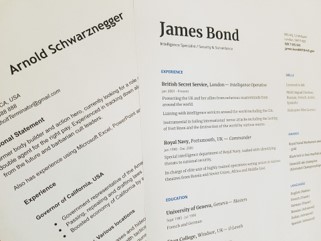
Your CV should give short examples of where you have used the skills shown in the job description and person specification of the job advert. A recent study by Ladders recruitment agency shows that recruiters spend as little as 7.4 seconds looking at a CV.
Using bullet points of no more than two lines per point to describe the skills you've used to meet the duties of your past experience is the most effective way to communicate your skills to employers quickly.
Keep your layout neat and consistent, using bold text to mark your headings and dates, making it easy to quickly navigate your CV.
CVs and Cover Letters
Cover letters are an important part of your applications, giving you the chance to speak to your potential employer in a formal letter format. A cover letter should be no more than one side of A4, and should always be tailored to the specific application you are making. As it is part of the same application, it should be in the same font and style as your CV.
Format your cover letter in four paragraphs covering:
.jpg)
Recruiters are looking for evidence of skills that are relevant to the role, so when you are writing your CV and cover letter, think about the things that make a difference to the recruiter.
CVs:
Cover letters:

Nobody likes the feeling of being rejected but it is a part of making job applications. It's a learning process and as with any skill, you get better with practice.
A job application is a personal thing and you put a lot of time and effort into it, so it's understandable that it hurts when you don't get that job you applied for. Remember that it's not a personal thing, recruiters just want to match the candidate with the best evidence of relevant skills to the job.
It's useful to ask for feedback on your application, as this can get the employer's perspective on what you could have done differently. We also recommend speaking with the Careers service when you make an application, because having a Careers professional give you feedback on your application before you make it can help to fix any errors that you might have missed.

We appreciate what a difficult and uncertain time we are experiencing and help and support is available to you in the following places:

Work experience is highly influential for employers when deciding which graduates to hire.
40% of Times Top 100 employers questioned in the High Fliers study, The Graduate Labour Market in 2020, said that students with no work experience would be not very likely or not at all likely to be successful in their graduate recruitment processes.

Graduate employers will expect you to show evidence of your skills and give examples of where and when you have used them.
A part-time job will help you to develop your skills and experience, and give you effective examples to illustrate your answers in job interviews and applications.
You will also be able to earn some money which is always welcome!
Making the most of your part-time jobRemember that we're always here to help you with your applications. There are a wealth of online resources available through the Careers service so we have gathered some useful links here that will help with your job searching and interview preparation.